Controlling Blood Pressure Without Medication
High blood pressure, also known as hypertension, affects millions of Americans and is often called the “silent killer” because it may not cause noticeable symptoms. Left unmanaged, it can increase the risk of heart disease, stroke, and kidney problems.
The good news? For many people, healthy lifestyle changes can significantly improve blood pressure numbers—and in some cases, reduce or delay the need for medication.
Here are some of the most effective ways to help control blood pressure naturally.
Maintain a Healthy Weight
Even a small amount of weight loss can make a meaningful difference in blood pressure levels. According to the Mayo Clinic, blood pressure may drop by approximately 1 mm Hg for every kilogram (2.2 pounds) lost. Excess weight around the waistline is also associated with a higher risk of hypertension.
Exercise Regularly
Physical activity strengthens the heart, allowing it to pump blood more efficiently and reducing pressure on the arteries. Both the Mayo Clinic and the Medical University of South Carolina recommend regular aerobic exercise such as:
- Walking
- Cycling
- Swimming
- Jogging
- Dancing
Experts suggest aiming for at least 150 minutes of moderate activity each week. Regular exercise can lower blood pressure by approximately 5–8 mm Hg.
Follow a Heart-Healthy Diet
Diet plays a major role in blood pressure management. The DASH (Dietary Approaches to Stop Hypertension) eating plan is widely recommended because it focuses on:
- Fruits and vegetables
- Whole grains
- Lean proteins
- Low-fat dairy
- Healthy fats
- Reduced saturated fat and processed foods
Potassium-rich foods such as bananas, spinach, sweet potatoes, beans, and avocados may also help offset the effects of sodium.
Reduce Sodium Intake
Too much sodium can cause the body to retain fluid, increasing blood pressure. Many Americans consume far more sodium than recommended due to processed and packaged foods.
The Mayo Clinic recommends limiting sodium intake to 2,300 mg per day or less, with an ideal target of 1,500 mg daily for many adults. Helpful ways to reduce sodium include:
- Reading nutrition labels
- Cooking more meals at home
- Choosing low-sodium products
- Using herbs and spices instead of salt
Even modest sodium reduction can improve heart health.
Manage Stress
Chronic stress may contribute to elevated blood pressure. Finding healthy ways to cope with stress can support both mental and cardiovascular health.
Helpful stress-management strategies include:
- Yoga
- Meditation
- Deep breathing exercises
- Prayer or mindfulness practices
- Spending time outdoors
- Limiting screen time before bed
The Medical University of South Carolina also emphasizes the connection between stress, sleep, and heart health.
Improve Sleep Quality
Poor sleep has been linked to hypertension. Adults should aim for 7–9 hours of quality sleep each night. Creating a consistent bedtime routine, limiting caffeine late in the day, and reducing nighttime screen exposure may help improve sleep quality.
Limit Alcohol and Avoid Smoking
Excessive alcohol intake and tobacco use can both raise blood pressure and damage blood vessels. Limiting alcohol and quitting smoking are two of the most impactful changes a person can make for long-term heart health.
Monitor Your Blood Pressure at Home
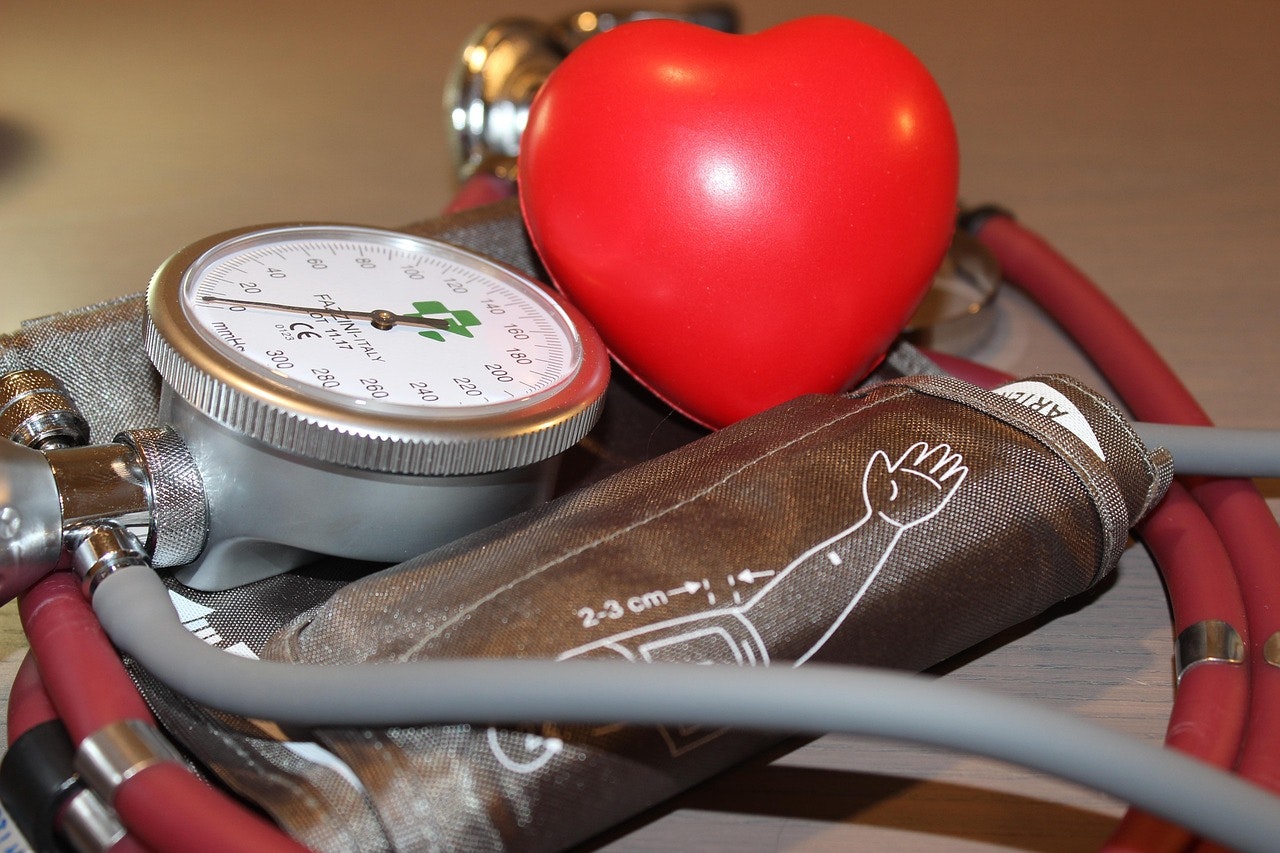
Home blood pressure monitors can help you track progress and identify patterns. Regular monitoring can also help healthcare providers determine whether lifestyle changes are working effectively.
Small changes add up.
Managing blood pressure naturally does not usually happen overnight. Consistency matters more than perfection. Small, sustainable habits — like daily walks, healthier meals, better sleep, and stress reduction — can have a powerful impact over time.
For some individuals, lifestyle changes alone may not be enough, and medication may still be necessary. However, healthy habits remain an essential part of long-term blood pressure management and overall wellness.
references
- Mayo Clinic – 10 Ways to Control High Blood Pressure Without Medication
- Mayo Clinic – Exercise: A Drug-Free Approach to Lowering High Blood Pressure
- MUSC Health
- Mayo Clinic – Elevated Blood Pressure: Diagnosis & Treatment