
Endometriosis Awareness: Understanding the Condition — and Your Health Insurance Options
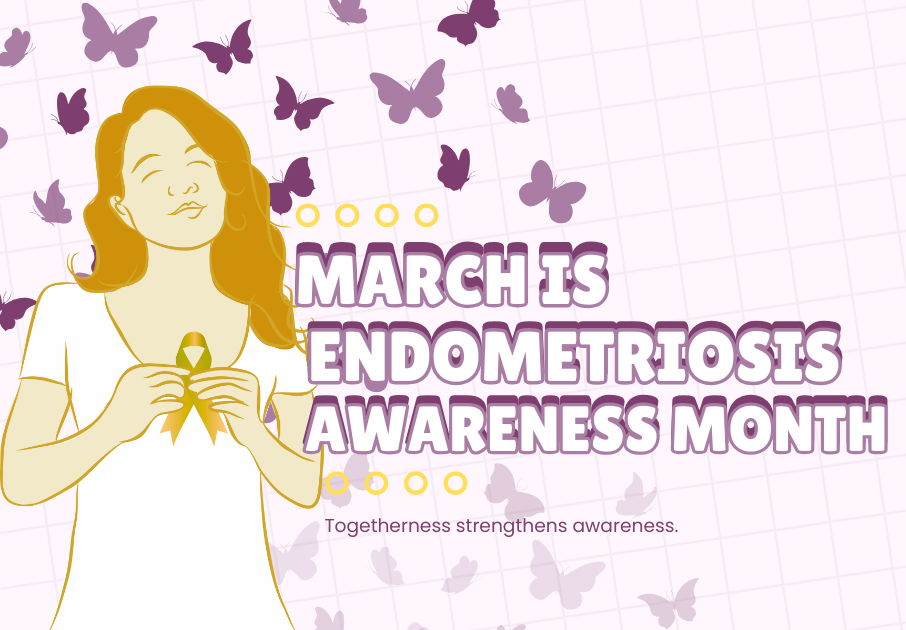
March is Endometriosis Awareness Month, a time to bring attention to a condition that affects an estimated 1 in 10 women of reproductive age. Despite how common it is, endometriosis is often misunderstood, misdiagnosed, and under-discussed.
Raising awareness isn’t just about education — it’s also about helping women understand how their health insurance can support diagnosis, treatment, and long-term care.
What Is Endometriosis?
Endometriosis occurs when tissue similar to the lining of the uterus grows outside the uterus. This tissue can attach to the ovaries, fallopian tubes, bladder, bowel, and other pelvic organs.
Because this tissue behaves like uterine lining, it thickens and sheds during menstrual cycles — but without a way to exit the body. This can cause:
-
Severe menstrual pain
-
Chronic pelvic pain
-
Pain during intercourse
-
Heavy periods
-
Digestive issues
-
Infertility
Diagnosis often takes years, with many women reporting symptoms beginning in their teens but not receiving a confirmed diagnosis until their 20s or 30s.
Why Awareness Matters
Endometriosis is not “just bad cramps.” It is a chronic inflammatory condition that can significantly impact quality of life, career productivity, mental health, and family planning.
Public figures like Padma Lakshmi have openly shared their experiences with endometriosis to reduce stigma and encourage earlier diagnosis. Her advocacy has helped bring national attention to the need for better research and patient education.
Awareness helps women recognize symptoms earlier and seek appropriate care.
How Health Insurance Covers Endometriosis Care
Because endometriosis is a medical condition — not an elective issue — most ACA-compliant health plans and Medicare cover medically necessary services related to diagnosis and treatment.
Under ACA Health Plans
Marketplace and employer-sponsored plans typically cover:
-
Annual well-woman exams
-
OB-GYN visits
-
Pelvic exams and ultrasounds
-
Hormonal therapies
-
Pain management prescriptions
-
Laparoscopic diagnostic procedures
-
Surgery when medically necessary
-
Mental health services related to chronic illness
Coverage varies depending on deductibles, network providers, and plan type (HMO, PPO, etc.), but endometriosis treatment is considered essential medical care.
Importantly, under the Affordable Care Act, endometriosis cannot be considered a pre-existing condition exclusion.
Medicare and Endometriosis
While endometriosis is most common during reproductive years, some women continue to experience symptoms after menopause or due to complications.
Medicare Part B may cover:
-
Specialist visits
-
Diagnostic imaging
-
Medically necessary outpatient procedures
-
Pain management services
Medicare Part A may cover inpatient surgery if required.
As with most services, coverage depends on medical necessity and provider participation in Medicare.
The Financial Side of Chronic Conditions
Even with strong major medical coverage, chronic conditions like endometriosis can create financial stress due to:
-
Ongoing specialist visits
-
Prescription medications
-
Repeat procedures
-
Time away from work
-
Travel to specialized surgeons
Some individuals explore supplemental policies such as:
-
Hospital indemnity plans
-
Critical illness coverage
-
Disability income protection
These policies are optional but can help offset out-of-pocket expenses not covered by traditional health insurance.
The Importance of Preventive & Proactive Care
If you are experiencing persistent pelvic pain or severe menstrual symptoms, do not ignore them. Preventive visits and early intervention may reduce complications later.
Steps to take:
-
Schedule an annual well-woman visit
-
Track symptoms over several months
-
Ask about imaging or referral to a specialist
-
Review your insurance benefits before major procedures
Understanding your plan before treatment begins can help you avoid unexpected bills.
Let’s Review Your Coverage
Navigating health insurance while managing a chronic condition can feel overwhelming. Whether you have an ACA plan, employer coverage, or Medicare, it’s important to understand:
-
What specialist visits cost
-
Whether prior authorization is required
-
What surgical benefits include
-
If supplemental coverage would provide additional financial protection
If you’d like help reviewing your policy or exploring additional coverage options, reach out for a no-obligation consultation. Having the right coverage in place allows you to focus on your health — not the paperwork.
Final Thoughts
Endometriosis awareness is about validation, education, and empowerment. Millions of women live with this condition—and no one should feel dismissed or unsupported.
Understanding both your health and your health insurance is a powerful step toward taking control of your care.