Understanding Heart Attacks: Symptoms, Causes, Prevention, and How Insurance Can Help
Heart disease is the leading cause of death in the United States, contributing to over 800,000 deaths per year. A heart attack is one of the most serious medical emergencies a person can face. Understanding what it is, how it happens, and what to do if symptoms arise can save your life—or the life of someone you love. Below is a clear, easy‑to‑follow guide to help you stay informed and protected.
What Is a Heart Attack?
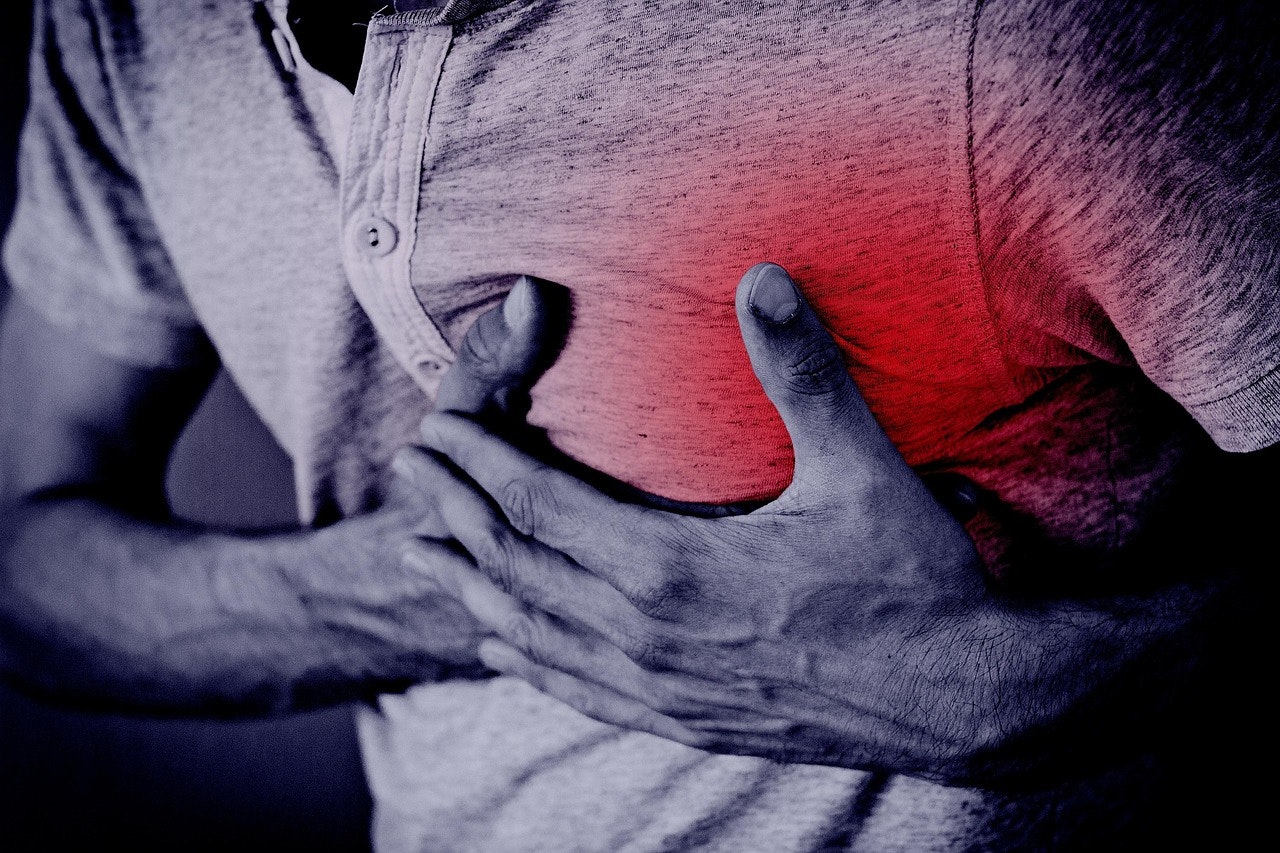
A heart attack (also called a myocardial infarction), occurs when blood flow to part of the heart muscle becomes blocked. Without enough oxygen-rich blood, the heart muscle begins to suffer damage. The most common cause is a buildup of plaque in the coronary arteries.
What Are the Symptoms?
Heart attack symptoms can vary, especially between men and women. They may come on suddenly or develop gradually.
Common symptoms include:
- Chest pain or pressure that may spread to the arms, neck, jaw, or back
- Shortness of breath
- Nausea or vomiting
- Cold sweat
- Dizziness or lightheadedness
- Unusual fatigue
What Should I Do If I’m Experiencing Symptoms?
Call 911 immediately.
Do not wait to see if the symptoms go away. Quick treatment can reduce heart damage and save your life. Emergency responders can begin treatment right away and get you to the hospital safely.
How Is a Heart Attack Diagnosed?
Doctors use several tools to confirm a heart attack, including:
- Electrocardiogram (ECG/EKG): Checks electrical activity of the heart
- Blood tests: Look for cardiac enzymes that rise after heart damage
- Imaging tests: Such as echocardiograms or CT scans
- Coronary angiography: Shows blockages in the arteries
How Is a Heart Attack Treated?
Treatment depends on severity but often includes:
- Medications like blood thinners, clot‑busters, beta blockers, or pain relievers
- PCI (angioplasty): A procedure that opens blocked arteries
- Stents: Tiny mesh tubes that keep arteries open
- Coronary bypass surgery: Creates a new path for blood flow around blockages
What Causes a Heart Attack?
The most common cause is coronary artery disease, where plaque buildup narrows or blocks the arteries. Other causes include severe spasms of the arteries, blood clots, or certain rare heart conditions.
What Are the Risk Factors?
Risk factors include:
- High blood pressure
- High cholesterol
- Smoking
- Diabetes
- Obesity
- Family history of heart disease
- A sedentary lifestyle
- Stress
- Age (risk increases as you get older)
How Do I Prevent a Heart Attack?
Prevention focuses on heart‑healthy habits:
- Eat a balanced diet rich in fruits, vegetables, and whole grains
- Exercise regularly (at least 150 minutes per week)
- Quit smoking
- Manage stress
- Keep blood pressure, cholesterol, and blood sugar under control
- Maintain a healthy weight
- Get regular checkups
How Can Health Insurance Help?
A heart attack can involve emergency care, hospital stays, tests, follow‑up appointments, and long‑term medication. Health insurance helps by covering many of these costs, reducing the financial burden and ensuring you receive timely care.
How Can Critical Illness Insurance Help?
Critical illness insurance provides a lump‑sum cash benefit if you are diagnosed with a covered condition—such as a heart attack. You can use this money however you need:
- Medical bills not covered by insurance
- Travel or lodging for treatment
- Household expenses, childcare, groceries, or mortgage payments
- Time off work during recovery
The combination of traditional health insurance and a critical illness plan can provide both medical and financial protection during a difficult time.
Understanding heart attacks—and how to prepare for the unexpected—can make a life‑changing difference. If you’d like help reviewing your coverage or exploring critical illness options, we’re here to guide you every step of the way.