
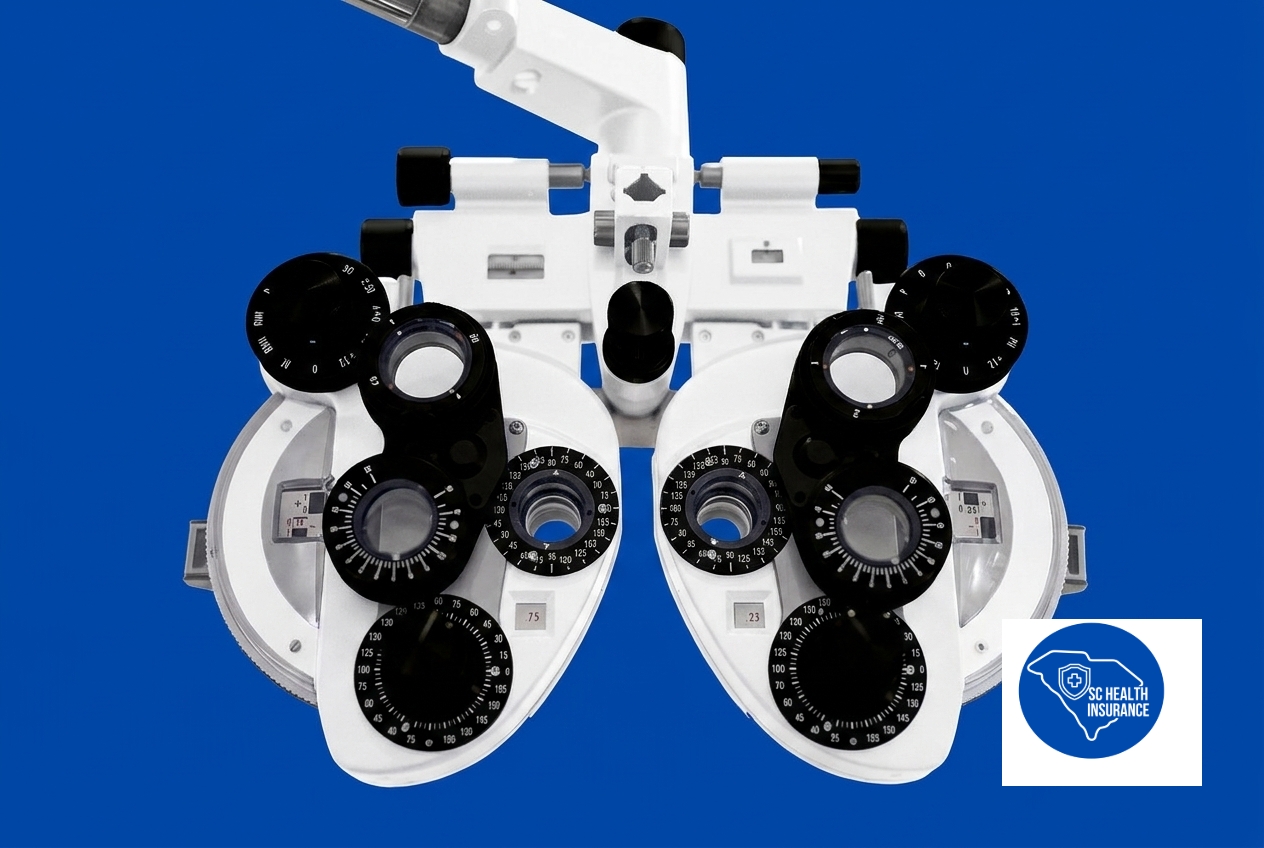
Why Routine Eye Exams and Proper Eye Coverage Matter
Routine eye exams do more than determine whether you need new glasses. They can help identify vision changes, detect certain eye diseases early, and reveal signs of broader health concerns. At SC Health Insurance, we encourage clients to make eye care part of their regular preventive-health routine and to understand exactly how their medical and vision coverage work together.
Quick Summary
Many eye conditions develop gradually and may not cause noticeable symptoms at first. A comprehensive eye exam can identify issues early, when treatment may be more effective. The right insurance coverage can also help make routine exams, prescription eyewear, and medically necessary eye care more manageable.
Why Routine Eye Exams Are So Important
It is easy to assume your eyes are healthy if you can still read, drive, and use a screen comfortably. However, vision changes are not always obvious. Comprehensive eye exams can check how clearly you see while also giving an eye-care professional a closer look at the health of your eyes.
During a dilated eye exam, drops widen the pupils so an optometrist or ophthalmologist can examine the retina and optic nerve. This can help detect conditions such as glaucoma, diabetic retinopathy, cataracts, and age-related macular degeneration. Some of these conditions can progress without early warning signs, which is why routine care is so valuable.
Eye Health Is Connected to Overall Health
Your eyes can provide important clues about your overall well-being. High blood pressure and diabetes, for example, can affect the blood vessels in the eyes. In some cases, an eye exam may help identify changes that should be discussed with your primary-care provider.
People with diabetes, high blood pressure, a family history of glaucoma, or certain other risk factors may need eye exams more often. Age also matters. As we get older, the likelihood of developing certain vision conditions increases. Your eye-care provider can recommend an exam schedule that reflects your health history, age, symptoms, and risk factors.
When to Schedule an Eye Exam
There is no one-size-fits-all schedule for eye care. Many adults benefit from regular comprehensive exams every one to two years, while others may need more frequent appointments. Children also need regular vision checks because uncorrected vision problems can affect learning and development.
Do not wait for a routine appointment if you experience sudden vision changes, eye pain, persistent redness, double vision, flashes of light, new floaters, or halos around lights. These symptoms may require prompt evaluation. If you have a sudden or severe eye emergency, seek immediate medical attention.
Medical Insurance and Vision Insurance Are Different
One common point of confusion is the difference between medical eye coverage and routine vision coverage. Medical insurance generally helps cover care that is medically necessary, such as treatment for an eye infection, injury, glaucoma, cataracts, diabetic eye disease, or another diagnosed condition. It may also help cover diagnostic testing and specialist visits when medically necessary.
Routine vision coverage, on the other hand, is designed for everyday eye-care needs. Depending on the plan, it may include annual eye exams, allowances toward eyeglass frames or contact lenses, lens upgrades, and discounts on additional services. Routine vision benefits are often offered through a separate vision plan or as an added benefit under certain health plans.
How to Review Your Eye Coverage
Before scheduling an appointment, take a few minutes to review your benefits. Start by checking whether your preferred eye doctor is in network. Using an in-network provider may help you receive the highest level of benefits and reduce your out-of-pocket costs.
Next, look for details such as:
- Whether a routine eye exam is covered and how often
- Your copay or coinsurance for an exam
- Your allowance for frames, lenses, or contact lenses
- Whether lens enhancements, such as anti-glare coatings or progressive lenses, have additional costs
- Whether your plan requires referrals or prior authorization for specialty care
- Which services are covered under medical insurance versus vision benefits
It is also helpful to bring both your medical and vision insurance cards to an appointment. The provider’s office can often help determine which benefit applies, but you should still confirm coverage with your insurer before receiving non-emergency services.
Medicare and Eye Care
For Medicare beneficiaries, coverage can be especially important to understand. Original Medicare generally does not cover routine eye exams for eyeglasses or contact lenses. However, it may cover certain medically necessary eye services, including exams and treatment related to conditions such as glaucoma, diabetic eye disease, or cataracts. Medicare Advantage plans may offer additional routine vision benefits, but coverage, networks, allowances, and copays vary by plan.
SC Health Insurance can help clients review their current plan benefits, compare available options, and understand how routine vision care and medical eye care may be covered. The goal is not simply to find a plan—it is to make sure the plan supports the care you are likely to need.
Simple Habits That Support Healthy Eyes
Insurance is an important part of accessing care, but daily habits matter too. Protect your eyes by wearing sunglasses that block UVA and UVB rays, using protective eyewear for sports and home projects, taking screen breaks, and managing health conditions such as diabetes and high blood pressure. A balanced diet that includes leafy greens and omega-3-rich foods can also support overall eye health.
FAQ
How often should I get an eye exam?
It depends on your age, medical history, vision needs, and risk factors. Ask your eye-care provider for a personalized recommendation. People with diabetes, high blood pressure, glaucoma risk, or vision concerns may need more frequent exams.
Does health insurance cover routine eye exams?
Not always. Routine exams may be covered by a separate vision plan, while medical insurance typically covers eye care that is medically necessary. Review your plan documents or contact your carrier to confirm.
What if I need glasses or contact lenses?
Vision plans often provide an allowance or discount for frames, lenses, or contacts. Your specific benefit may have limits, waiting periods, or preferred providers, so check before making a purchase.
Can an eye exam find other health problems?
Eye exams may reveal signs associated with conditions such as diabetes or high blood pressure. An eye-care professional may recommend that you follow up with your primary-care provider if they notice concerning changes.
How can SC Health Insurance help?
Our team can help you understand your existing benefits, review vision-plan options, and identify questions to ask before an appointment. Proper coverage and routine care can work together to protect one of your most important senses—your sight.
This article is for educational purposes only and is not medical advice. Always consult a qualified eye-care professional about symptoms, exam frequency, and treatment recommendations. Coverage varies by plan, provider, and individual circumstances.
Sources: CDC and National Eye Institute guidance. (cdc.gov)_